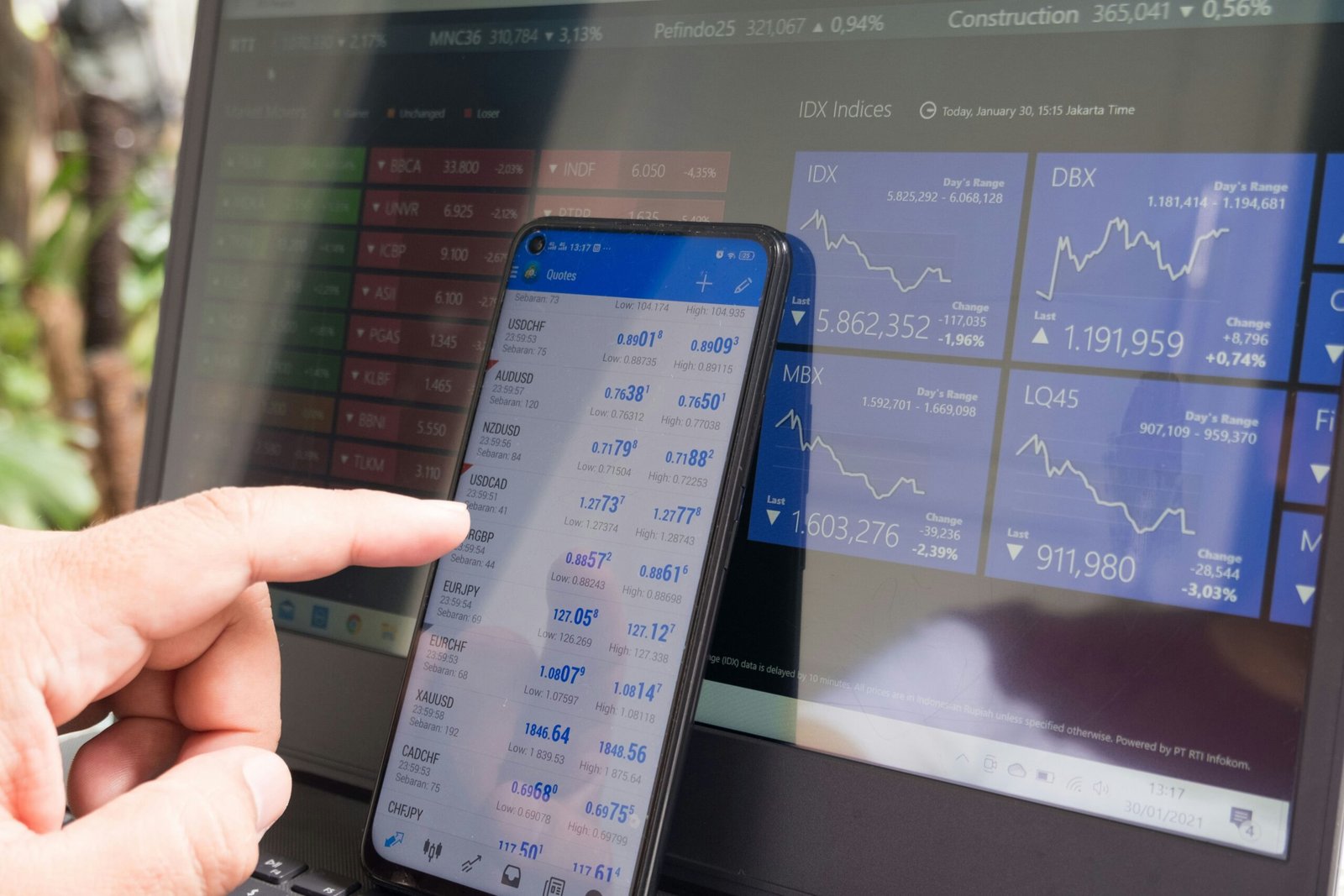
Introduction to Forex Trading in Asia
Introduction to Forex Trading in Asia
Introduction Forex Trading — Forex trading, also known as foreign exchange trading, is the buying and selling of currencies on the global market. It is a decentralized market where participants, including banks, financial institutions, and individual traders, exchange one currency for another at agreed-upon prices.
The Forex Market in Asia
Asia is a significant player in the global forex market, accounting for a substantial share of daily trading volume. The region is home to some of the world’s largest economies, including China, Japan, and South Korea, making it an attractive hub for forex trading.
One of the key factors that contribute to the popularity of forex trading in Asia is the diverse range of currencies available for trading. Traders can engage in transactions involving major currencies like the US dollar, Euro, Japanese yen, and British pound, as well as emerging market currencies such as the Chinese yuan, Indian rupee, and Indonesian rupiah.
The Asian Forex Trading Sessions
The forex market operates 24 hours a day, five days a week, allowing traders to engage in trading activities at any time. However, it is important to note that the market is not equally active throughout the day. The Asian trading session, which includes the markets in Tokyo, Hong Kong, and Singapore, is one of the most significant sessions in terms of trading volume.
The Asian trading session starts with the opening of the Tokyo market at 7:00 AM GMT. This session overlaps with the closing of the New York session, leading to increased trading activity and volatility. Traders in Asia take advantage of this overlap to capitalize on price movements and news releases from both regions.
During the Asian session, the major currency pairs involving the Japanese yen, such as USD/JPY and EUR/JPY, are particularly active. Economic data releases from Japan and other Asian countries can significantly impact these currency pairs, providing trading opportunities for forex traders.
Factors Affecting Forex Trading in Asia
Several factors influence forex trading in Asia, including economic indicators, geopolitical events, and central bank policies. Here are some key factors to consider:
Economic Indicators:
Asian economies release various economic indicators that can impact currency values. These indicators include GDP growth, inflation rates, employment data, and trade balances. Forex traders closely monitor these releases to identify potential trading opportunities.
Geopolitical Events:
Political developments and geopolitical tensions can have a significant impact on currency values. For example, trade disputes between the United States and China can affect the value of the Chinese yuan. Traders need to stay informed about geopolitical events and their potential impact on the forex market.
Central Bank Policies:
The monetary policies of central banks in Asian countries, such as the Bank of Japan and the People’s Bank of China, can influence currency values. Changes in interest rates, quantitative easing measures, and other policy decisions can create volatility in the forex market.
Conclusion
Forex trading in Asia offers numerous opportunities for traders due to the region’s economic significance and diverse range of currencies. The Asian trading session, with its overlap with the New York session, provides increased trading activity and volatility. However, traders must stay informed about economic indicators, geopolitical events, and central bank policies that can impact currency values. By staying updated and employing effective trading strategies, traders can navigate the forex market in Asia successfully.
Related Articles
- Geopolitical Risk and Forex 2026: How Global Events Move Currency Markets
- Central Bank Digital Currencies (CBDC) and Forex Markets 2026
- Forex Risk Management 2026: How Professional Traders Manage Drawdown
- Commodity Currencies 2026: AUD, CAD and NZD Outlook
For regulatory information, visit Investopedia Forex Guide.
Frequently Asked Questions
What is Introduction Forex Trading?
Introduction Forex Trading is an important topic for investors and professionals. Understanding it fully requires careful research and analysis of current market conditions.
Why does Introduction Forex Trading matter in 2026?
In 2026, introduction forex trading remains highly relevant due to evolving market dynamics, regulatory changes, and growing investor interest in this area.
Where can I learn more about Introduction Forex Trading?
We recommend consulting reputable financial sources and conducting thorough due diligence before making any investment decisions.
Frequently Asked Questions
What is Introduction Forex Trading?
Introduction Forex Trading is an important topic. Understanding it requires careful research and analysis of current conditions.
Why does Introduction Forex Trading matter in 2026?
In 2026, introduction forex trading remains highly relevant due to evolving market dynamics and growing interest in this area.
Where can I learn more?
Consult reputable financial sources and conduct thorough due diligence before making investment decisions.
Frequently Asked Questions
What is Introduction Forex Trading?
Introduction Forex Trading is an important topic for investors and professionals in 2026.
Why does Introduction Forex Trading matter in 2026?
In 2026, introduction forex trading remains relevant due to evolving market dynamics and regulatory changes.
Where can I learn more?
Consult reputable financial sources and conduct thorough due diligence before making decisions.